The One Big Beautiful Bill Act permanently changed the depreciation landscape for commercial real estate. When President Trump signed the legislation on July 4, 2025, it restored 100% bonus depreciation indefinitely, reversing the phase-down that had reduced the benefit to just 40% earlier that year.
For property owners and finance teams, this creates ongoing opportunities to accelerate deductions through cost segregation studies. The combination of permanent 100% bonus and engineering-based asset reclassification can generate six-figure tax savings in a single filing year.
What OBBBA Changed for Bonus Depreciation
Before OBBBA, bonus depreciation under the Tax Cuts and Jobs Act was scheduled to phase out completely by 2027. The rates had already dropped from 100% in 2022 to 80% in 2023, then 60% in 2024, and 40% for early 2025.
The legislation reversed that trajectory. Property placed in service on or after January 20, 2025, now qualifies for full first-year expensing, provided the acquisition contract was also signed after January 19. This permanent restoration eliminates the uncertainty that had complicated long-term investment planning.
How Cost Segregation Multiplies the Benefit
A cost segregation study is an engineering-based analysis that reclassifies building components into shorter depreciation categories. Without a study, commercial buildings depreciate over 39 years. Residential rental properties use a 27.5-year schedule.
Engineers and tax professionals examine the property to identify assets that qualify for 5, 7, or 15-year recovery periods. These shorter-life components include:
- Interior finishes such as flooring, ceiling systems, and wall coverings
- Electrical systems dedicated to specific equipment or processes
- Plumbing fixtures and specialized mechanical systems
- Site improvements including parking lots, landscaping, and exterior lighting
- Furniture, fixtures, and equipment installed as part of construction
With 100% bonus depreciation now permanent, every dollar reclassified into these shorter-life categories can be fully deducted in year one. A $4 million warehouse purchase might allocate $800,000 to eligible components. Under the prior 40% rate, only $320,000 would be immediately deductible. Under OBBBA, the entire $800,000 becomes a first-year write-off.
Critical Timing Rules Still in Effect
The January 19, 2025 date creates a clear dividing line, but the rules involve two separate dates. Both the contract signing and placed-in-service date must occur after January 19 to qualify for 100% bonus.
Consider a practical example. A client buys a $2 million warehouse and spends $250,000 on lighting, electrical, and flooring upgrades. If placed in service on January 15, 2025, with a contract signed before January 19, they only qualify for 40% bonus depreciation. If placed in service on January 22, 2025, with a contract signed after January 19, they qualify for 100% bonus.
That shift could mean the difference between writing off $100,000 or the full $250,000 in year one. For larger transactions, the variance becomes even more significant.
Which Properties Benefit Most
Cost segregation studies typically generate the strongest returns for properties with significant personal property and site improvement components. The following property types consistently produce favorable results:
- Manufacturing and industrial facilities with specialized equipment
- Retail spaces with extensive tenant improvements and fixtures
- Hotels and hospitality properties with furniture, fixtures, and finishes
- Medical and dental facilities with specialized buildouts
- Restaurants with kitchen equipment, finishes, and site improvements
- Office buildings with significant interior construction costs
Studies are generally cost-effective for buildings with an improvement basis of $750,000 or higher. Properties with extensive site work, specialized systems, or custom interiors typically reclassify 15% to 40% of the depreciable basis into shorter-life categories.

The Qualified Production Property Election
OBBBA introduced an additional benefit for manufacturers. Certain nonresidential real estate used in manufacturing, refining, or production now qualifies for 100% expensing under a new Qualified Production Property classification.
To qualify, construction must begin after January 19, 2025, and before January 1, 2029. The property must be placed in service before January 1, 2031, and used by the taxpayer for its original productive purpose. Portions used for offices, sales, or administrative functions do not qualify.
Cost segregation studies become even more valuable in this context. The analysis distinguishes between production areas eligible for QPP treatment and support spaces that require traditional depreciation or standard cost segregation approaches.
Section 179 Expensing Limits for 2026
OBBBA raised the baseline Section 179 expensing limit to $2.5 million. With inflation adjustments, the 2026 limits have increased to approximately $2.56 million for the maximum deduction and $4.09 million for the phase-out threshold.
This provides additional flexibility for businesses investing in HVAC systems, fire protection, security equipment, and roofing placed in service after the building was already operational.
Section 179 can be particularly useful in states that do not conform to federal bonus depreciation rules. Many states allow Section 179 expensing while disallowing or limiting bonus depreciation, making the increased federal limit strategically important for multi-state taxpayers.
Planning Considerations for Finance Teams
The permanent restoration of 100% bonus depreciation removes the urgency to beat a phase-out deadline. However, strategic timing still matters for several reasons:
- Contract dates must be documented carefully to establish bonus eligibility
- Placed-in-service dates determine which tax year captures the deduction
- Income projections affect whether accelerated deductions provide maximum benefit
- State conformity varies significantly and may limit bonus depreciation benefits
Cost segregation studies should be commissioned early in the acquisition or construction process. Having the analysis complete before filing deadlines allows for proper integration with tax projections and estimated payment calculations.
Retroactive Application for Existing Properties
Property owners who acquired buildings in prior years can still benefit from cost segregation through a Form 3115 accounting method change. This catch-up provision allows taxpayers to claim previously unclaimed accelerated depreciation without amending prior tax returns.
The entire adjustment is taken in the current tax year, creating a one-time deduction that can be substantial for properties held for several years. Buildings placed in service since 1987 remain eligible for retroactive studies.
Fixed Asset System Implications
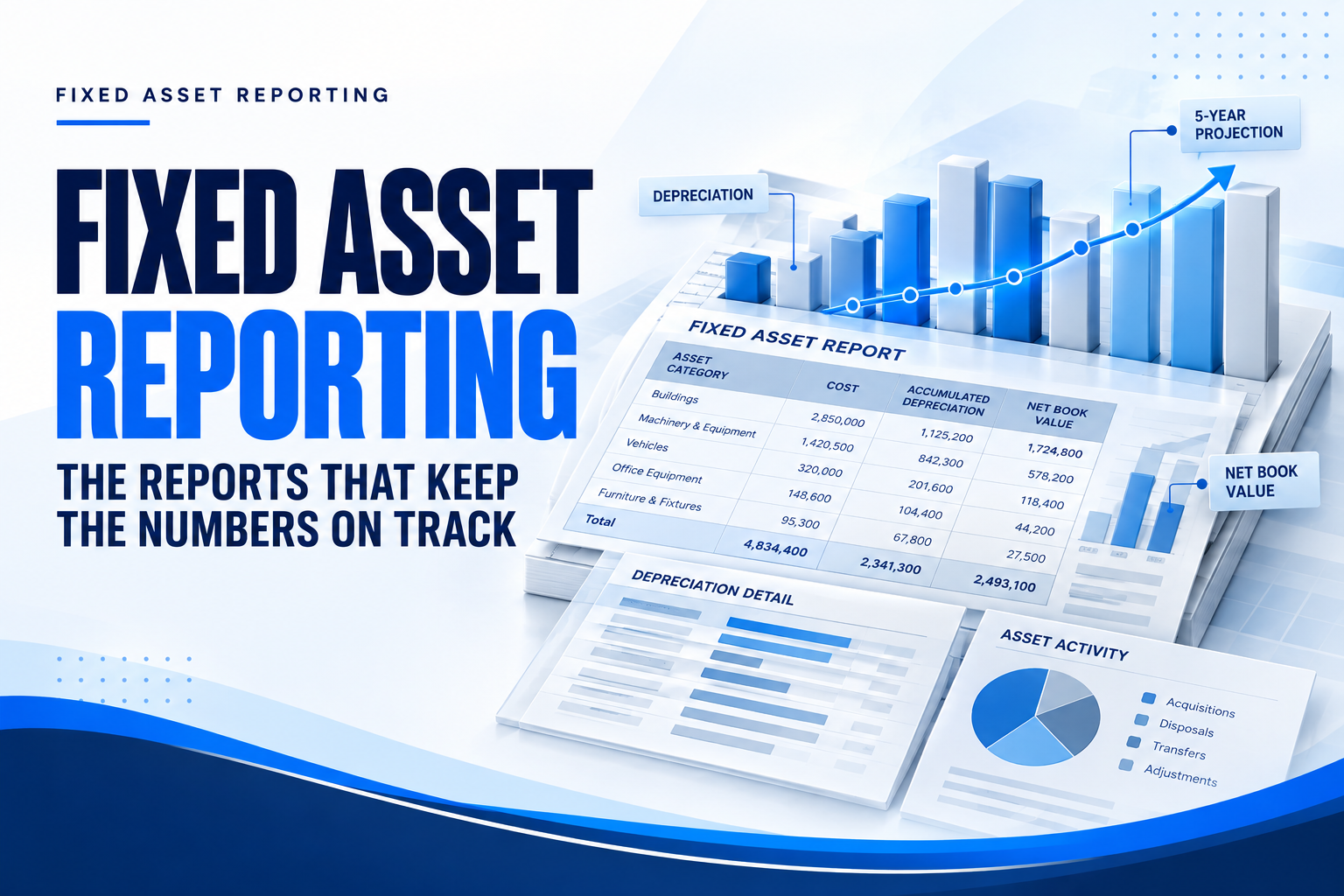
Cost segregation studies generate detailed asset classifications that must be accurately reflected in depreciation schedules. Fixed asset management systems require configuration updates to accommodate:
- Multiple asset classes created from a single property acquisition
- Contract dates and placed-in-service dates for bonus eligibility tracking
- Federal versus state depreciation differences when conformity is limited
- Bonus depreciation percentages that vary based on acquisition timing
- QPP elections and their recapture requirements over a 10-year period
Maintaining audit-ready documentation is essential. The cost segregation report should be retained for the duration of property ownership and must support the asset classifications in the event of IRS review.

The Bottom Line
The permanent restoration of 100% bonus depreciation makes cost segregation studies more valuable than they have been in years. Property owners placing assets in service after January 19, 2025, can immediately expense the full cost of eligible components without concern about declining phase-out percentages.
For finance teams managing commercial real estate portfolios, the path forward is clear. Review acquisition timelines, verify contract dates, and engage cost segregation specialists to maximize available deductions. The combination of permanent bonus depreciation and proper asset classification creates a compelling opportunity to improve cash flow and reduce current-year tax liability.
Frequently Asked Questions
What is a cost segregation study?
A cost segregation study is an engineering-based analysis that identifies building components eligible for accelerated depreciation. The study reclassifies portions of a property from standard 27.5 or 39-year recovery periods into 5, 7, or 15-year categories, allowing faster deductions and improved cash flow.
Is 100% bonus depreciation permanent under OBBBA?
Yes. The One Big Beautiful Bill Act permanently restored 100% bonus depreciation for qualified property acquired and placed in service after January 19, 2025. Unlike the TCJA provisions that were scheduled to phase out by 2027, OBBBA eliminated the phase-down and made full first-year expensing a permanent feature of the tax code.
What is the minimum property value for a cost segregation study?
Cost segregation studies are generally cost-effective for properties with an improvement basis of $750,000 or higher. The return on investment depends on property type, construction costs, and the percentage of basis that can be reclassified into shorter-life categories.
Can I perform a cost segregation study on a property I purchased years ago?
Yes. Property owners can conduct retroactive cost segregation studies on buildings acquired since 1987. The catch-up depreciation is claimed through a Form 3115 accounting method change, allowing the entire adjustment to be taken in the current tax year without amending prior returns.
What is Qualified Production Property under OBBBA?
Qualified Production Property is a new asset classification that allows 100% expensing of nonresidential real estate used in manufacturing, refining, or production. Construction must begin after January 19, 2025, and before January 1, 2029, with the property placed in service before January 1, 2031. Office, sales, and administrative areas do not qualify for this election.
What are the Section 179 limits for 2026?
For 2026, the Section 179 expensing limit is approximately $2.56 million, with a phase-out threshold beginning at $4.09 million. These limits are adjusted annually for inflation under OBBBA provisions.